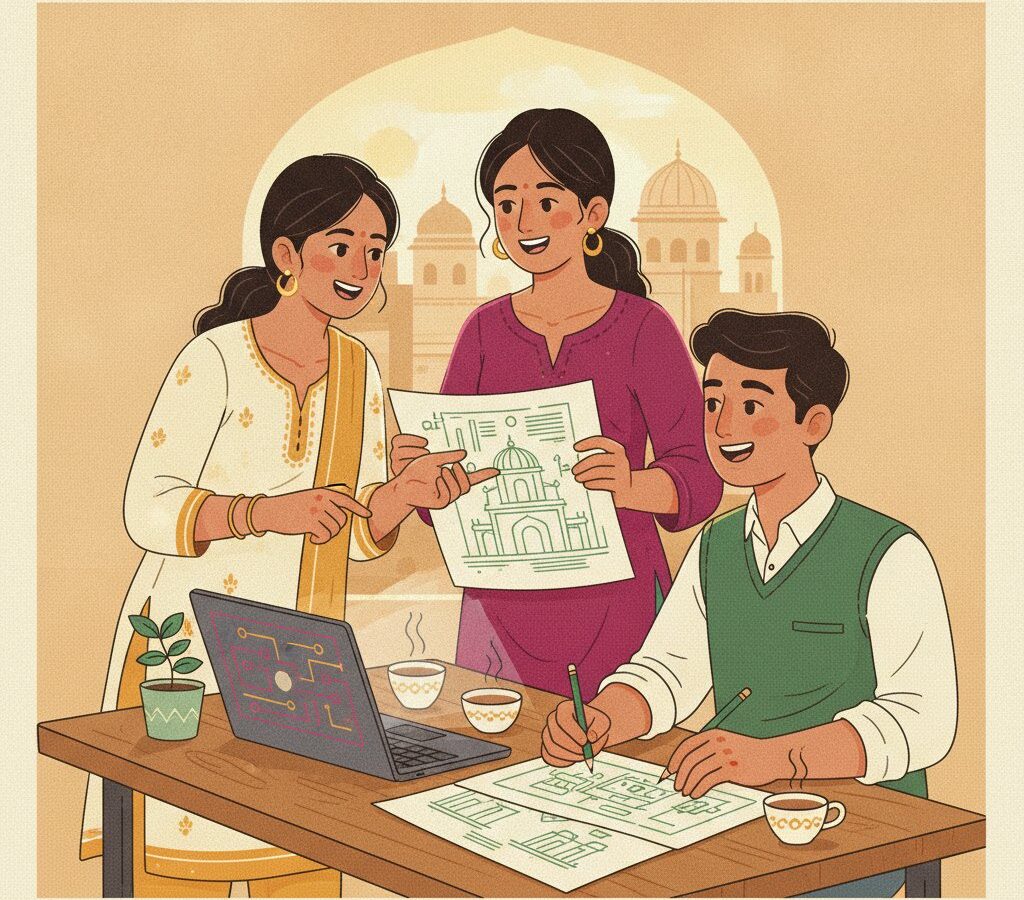
The image of the Indian startup founder has long been shaped by a particular archetype: young, urban, educated at a premier institution, building for a market that looks a lot like urban California. That image is not wrong, but it is increasingly incomplete. Across the country — in agricultural towns in Maharashtra, in smaller cities in Uttar Pradesh, in coastal communities in Tamil Nadu — a different kind of founder is emerging. These entrepreneurs did not pivot to local problems after failing to crack a global market. They started there.
The Infrastructure That Made It Possible
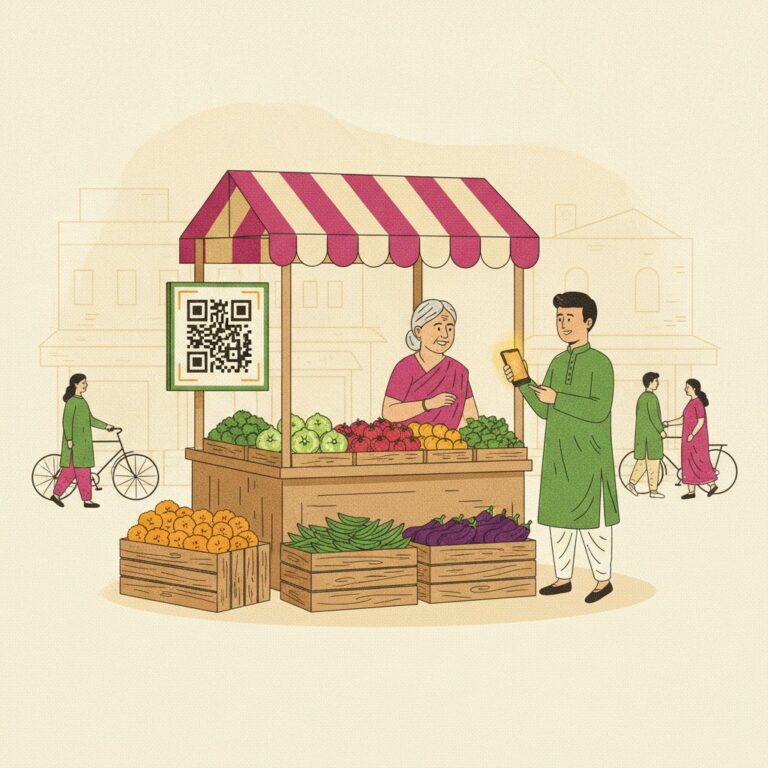
No single development has shaped this generation more than India’s digital public infrastructure. The Unified Payments Interface, known simply as UPI, transformed a friction-heavy cash economy into one of the world’s most active real-time payment networks. For a founder building a savings product for a vegetable vendor in Patna, this is not a small thing. It means the plumbing already exists. Beyond UPI, India’s stack of open digital infrastructure — covering identity, health records, and agricultural data — has lowered the cost of building solutions meaningfully integrated into people’s lives.
From Metros to the Mainland
The geography of Indian entrepreneurship is shifting. The metros remain the gravitational centres of capital and talent, but an increasing share of early-stage founders are building from, or for, tier-2 and tier-3 cities. The reasons are partly economic — lower costs, tighter local networks, more visible problems — but also cultural. A founder who grew up in a mid-sized city understands intuitively why a feature will not work for a semi-urban user. Campus incubators at the IITs and state engineering colleges have helped this dispersal, and the Startup India initiative formalised a support structure — simplified registration, tax benefits, procurement access — that gave early ventures legitimacy they once had to earn the hard way.
Where the Real Problems Are
- Agriculture: Founders are building tools that address post-harvest losses, connect farmers directly to buyers, and provide weather and soil data once available only to large agribusinesses.
- Health: Diagnostic tools for low-resource settings, telemedicine for low-bandwidth connections, and supply-chain solutions for rural pharmacies are areas of genuinely original work.
- Vernacular and accessibility: With more than twenty-two officially recognised languages, founders building voice interfaces and local-language platforms are addressing a gap the mainstream industry has underestimated.
An Honest Note on Hype
None of this is without complication. The ecosystem has had its share of valuation inflation, copycat models dressed up as innovation, and ventures that raised heavily without finding a sustainable path to revenue. The honest version of optimism acknowledges this. Durable value is created by a minority of ventures that solve a real problem well enough that people keep paying for the solution. India has enough of those to be genuinely encouraged — and enough noise that the signal takes some effort to find.
What the Next Chapter Looks Like
The founders most likely to build something lasting treat the local problem not as a consolation prize but as the actual opportunity. India’s domestic market is vast, complex, and in many sectors barely served. The founders who understand its texture, who speak its languages literally and figuratively, and who build patiently rather than flip quickly, are quietly doing the most interesting work. That is not a guarantee of success — entrepreneurship rarely comes with those — but it is the right starting point.